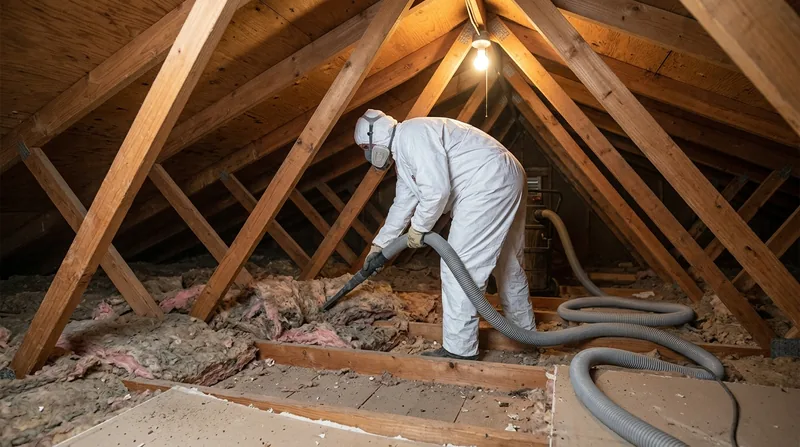




Aurora's mid-century housing stock carries decades of settled fiberglass insulation in attics, crawl spaces, and wall cavities across Kane, DuPage, Kendall, and Will counties. When that material compacts, loses R-value, or becomes contaminated, insulation removal in Aurora is the necessary first step before new spray foam can be installed. We remove old fiberglass, cellulose, and mineral wool; vacuum debris and dust; and prepare the cavity for new closed-cell or open-cell foam that will actually seal and perform in this cold, windy climate zone 5A. Whether your attic has three inches of settled fiberglass left from 1965, or your crawl space rim joists are wrapped in deteriorated batts, removal and replacement is how we restore thermal control to homes across the Fox Valley.
Why Insulation Removal Matters in Aurora's Older Housing Stock
Aurora's pre-war homes along the Fox River and mid-century ranches stretching toward Oswego and Montgomery were built with fiberglass batts or blown-in cellulose that has spent fifty to sixty years settling under gravity and moisture. Settled insulation loses thickness and R-value; moisture-damaged material loses its ability to resist air movement. A full attic tearout and replacement with spray foam is not always necessary, but when old material is contaminated, compacted below three inches, or blocking proper ventilation and air sealing, removal is the only path to a functioning assembly.
- We remove all old fiberglass, cellulose, and mineral wool batts and blankets from attics, crawl spaces, and wall cavities.
- We vacuum out settled dust, debris, and loose fill to prepare a clean substrate for new foam.
- We haul old material off-site and dispose of it responsibly, keeping your property clean and clear.
- We inspect the cavity for moisture, mold, or pest damage and flag concerns before new insulation goes in.
- We work with your local building department to ensure removal and replacement meet code at your address in Aurora, Naperville, Joliet, or Elgin.
Proper removal is the foundation of every retrofit; cutting corners here means new foam sticks to a dirty surface, traps moisture, or fails to seal air leaks.
Key info: Aurora's mid-century attics often carry three to four inches of settled fiberglass over plywood decking. Removing that material before spray foam installation takes one to two days and costs less than the energy loss from another winter of failed insulation.
For detailed information on what happens after removal, see our attic spray foam insulation service.
How We Remove and Prepare Your Attic or Crawl Space in Aurora
Removal is not demolition; it is systematic, careful work that protects your home, your belongings, and the people living in it. We use commercial-grade equipment, follow OSHA and manufacturer safety protocols, and communicate every step so you know what to expect. The process starts with an on-site walkthrough, then moves into staged removal, cleanup, and inspection before new foam is installed.
- We set up containment barriers and mechanical ventilation to manage dust and keep your living spaces clean during the work.
- We remove old insulation material by hand or with powered equipment depending on cavity type and access.
- We vacuum out all settled debris, dust, and loose fill using HEPA-filtered equipment.
- We inspect structural framing, decking, and cavities for moisture, rot, or pest activity and report findings to you in writing.
- We prepare the substrate by cleaning fasteners, sealing penetrations, and confirming proper ventilation paths before foam installation begins.
From attics in North Aurora to crawl spaces under homes in Oswego and Plainfield, the same care and attention apply to every job.
Example: A 1,200-square-foot attic in Aurora with four inches of compacted fiberglass and loose cellulose in the corners takes two days to remove, vacuum, and prepare. After inspection, the space is ready for 5.5 inches of closed-cell spray foam, which will deliver R-38 to R-40 and seal all air leaks at rim joists and band board penetrations.
Learn more about our air sealing process that follows removal.
Insulation Removal Methods and Equipment
| Removal Method | How It Works | Best For |
|---|---|---|
| Hand Removal with Vacuum Support | Batts and blankets are manually pulled from cavities and fed into a commercial vacuum system with HEPA filtration. | Attics with batts, crawl spaces with limited access, homes where dust control is critical. |
| Blown-In Removal with Industrial Vacuum | A powered vacuum truck removes loose-fill insulation (cellulose, fiberglass, mineral wool) from cavities and deposits it into a collection bin on site. | Large attics, wall cavities, and spaces where settled material cannot be easily pulled by hand. |
| Encapsulation and Overlay | When old material is intact and uncontaminated, we may seal it in place with a vapor barrier and apply new foam over top, reducing removal labor. | Attics with stable, dry insulation where the goal is adding R-value without a full tearout. |
| Selective Removal and Patching | We remove damaged, wet, or contaminated sections and patch around structural members, leaving sound material in place where it serves a purpose. | Crawl spaces and attics with localized moisture damage or pest activity that does not affect the entire assembly. |
Insulation Removal Cost in Aurora: What to Expect
Removal cost depends on the volume of material, the type of insulation, accessibility, and whether the space is occupied. A small attic tearout in a home near downtown Aurora may start at $950 to $1,400, while a full-basement crawl space removal with vacuuming and cleanup across multiple zones can run $2,200 to $3,800. The biggest variable is square footage and how much material is in place; a compacted attic with three inches of settled fiberglass costs less to remove than one with seven inches of dense cellulose or batts stacked in corners.
Access matters too. An attic with a full-size opening and level decking is faster to work in than a cramped crawl space with low headroom and ductwork in the way. Proximity to occupied bedrooms and living spaces also affects containment setup and timeline. We provide a free, no-obligation estimate after an on-site walkthrough; call us at (331) 258-5715 or request a quote online, and we respond within 24 hours with a written proposal that includes square footage, material type, and the cost of removal, hauling, and site cleanup.
For a full breakdown of pricing across all our services, visit our pricing page.
What to Look for When Hiring an Insulation Removal Contractor Near Aurora
Not every contractor who can spray foam can remove insulation safely or responsibly. A good removal specialist understands dust control, substrate inspection, and the sequence of work that leads into new installation. Before you hire, verify that your contractor is fully insured, ask for references from recent Aurora-area jobs, and confirm that they understand the local building code and ventilation rules that apply at your address.
Ask about containment during removal, how they handle old material disposal, and whether they inspect for moisture or pest damage before starting. A contractor who gives a price without an on-site look, promises immediate re-entry after removal, or skips the vacuum step is cutting corners. Get two to three written estimates that spell out scope, material type, square footage, and disposal. If your home is in an HOA or a historic district, confirm that exterior work (like staging equipment or dumpsters) meets any architectural guidelines. Check that the contractor responds promptly and can explain the removal process in plain language.
Ready to get started? Contact Aurora Spray Foam Insulation for a free estimate and a walkthrough of your attic, crawl space, or walls.
Insulation Removal in Aurora: Pricing Guide
| Service | Price | Details |
|---|---|---|
| Small Attic Removal (up to 1,000 sq ft) | Starting at $950 | Hand removal of settled fiberglass, vacuuming, and basic cleanup for compact attics with level access. |
| Medium Attic or Crawl Space (1,000 to 2,000 sq ft) | Starting at $1,600 | Removal of mixed materials, industrial vacuum cleanup, and substrate inspection across larger or multi-zone cavities. |
| Large or Complex Removal (2,000+ sq ft, multiple zones, or contamination) | On estimate | Full-basement crawl space tearout, wall cavity removal, or jobs requiring specialized equipment or hazmat protocols need site inspection. |
| Travel and Site Prep | Included | No separate mileage or travel fee within Aurora, Naperville, Joliet, Elgin, and surrounding service areas. |
| Free Estimate | Free | On-site walkthrough with written proposal, no obligation to book. Response within 24 hours at (331) 258-5715. |
Indicative pricing, the exact cost depends on square footage, finish, and site access. Free personalized estimate within 24h at (331) 258-5715.


